Arnot-Roberts
2023 Arnot-Roberts Trout Gulch Chardonnay | 19/20 Jancis Robinson
2023 Arnot-Roberts Trout Gulch Chardonnay | 19/20 Jancis Robinson
Couldn't load pickup availability
🏆 19/20 JancisRobinson.com | An Almost Unheard-of Score for an American Chardonnay – This Is Absolutely Extraordinary!
19/20 – Patrick Comiskey, JancisRobinson.com
Ancient Wente-Clone Vines, a Vineyard Just Four Miles from the Pacific Ocean and One of California's Most Extraordinary Chardonnay Stories!
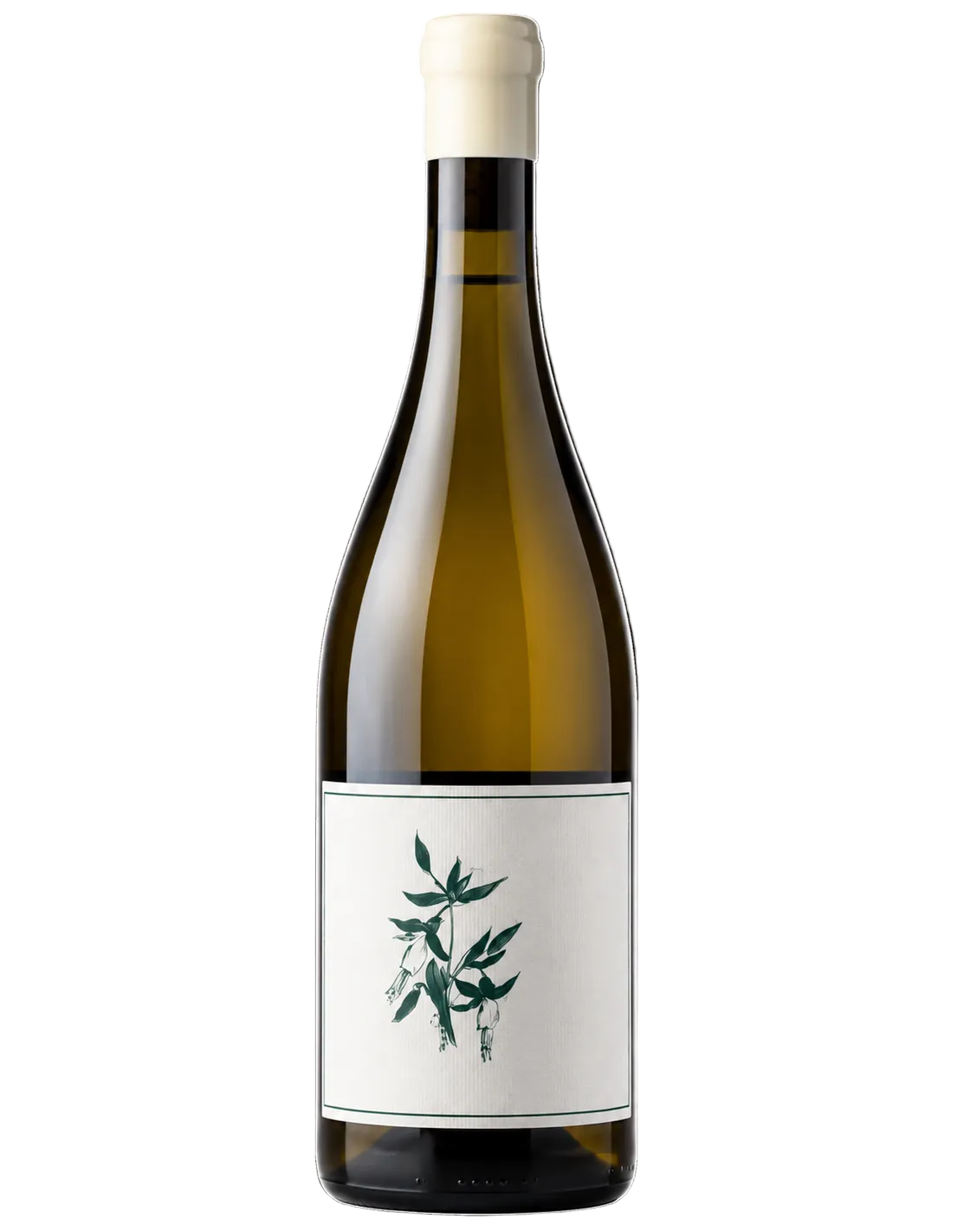
2023 Arnot-Roberts Trout Gulch Vineyard Chardonnay
Santa Cruz Mountains, California, USA
RRP $140
What happens when two of California's most exciting winemakers take Chardonnay from a vineyard planted in 1980, just four miles from the freezing Pacific Ocean, and produce a wine so extraordinary that JancisRobinson.com awards it 19 points out of 20?
You get one of the most exciting American Chardonnays I've come across!
And I cannot emphasise enough just how remarkable that score is.
19 OUT OF 20 – JANCISROBINSON.COM!
Not 17.
Not 17.5.
Not even 18.
NINETEEN OUT OF TWENTY!
On the Jancis Robinson scoring scale, 19/20 is reserved for wines of truly outstanding quality.
And here's what makes this even more interesting.
The wine isn't from Napa Valley.
It isn't from one of Sonoma's famous Chardonnay estates.
And it certainly isn't a big, rich, heavily oaked California Chardonnay.
It's from an extraordinary old vineyard hidden in a cool, forested canyon in the Santa Cruz Mountains.
A vineyard where Chardonnay barely reaches full ripeness in some years.
A vineyard surrounded by redwood forests.
A vineyard planted to historic Wente-clone Chardonnay.
And a vineyard that produces wines with such remarkable natural acidity and saline mineral precision that they're frequently compared to great Chablis.
This is exactly the sort of wine I want Liquid Vibe customers to discover!
Arnot-Roberts – Two Childhood Friends Who Helped Change California Wine
Arnot-Roberts was founded in 2001 by two childhood friends.
Duncan Arnot Meyers and Nathan Lee Roberts.
Both grew up in California's Napa Valley.
But rather than simply following the established Napa formula, they became fascinated by a very different style of wine.
Wines with freshness.
Wines with lower alcohol.
Wines that expressed individual vineyards.
And wines made with minimal unnecessary manipulation.
At a time when much of California was associated with powerful, ripe, heavily extracted wines, Duncan and Nathan began exploring cooler vineyard sites.
Some were close to the Pacific Ocean.
Others were high in the mountains.
Many were historic vineyards that had been overlooked by larger producers.
Their objective was to make wines with genuine personality and a strong sense of place.
And over time, Arnot-Roberts became one of the defining producers of California's new generation of winemaking.
Today, their wines are sought after by serious collectors around the world.
And their Chardonnay from Trout Gulch is one of the most compelling examples of their philosophy.
Trout Gulch Vineyard – One of California's Most Extraordinary Chardonnay Sites
Here's where the story becomes absolutely fascinating.
Trout Gulch Vineyard is located near Aptos in the Santa Cruz Mountains.
The vineyard sits approximately 600 feet above sea level.
That's around 183 metres.
But here's the really important detail.
It's only four miles from the Pacific Ocean!
And not the warm ocean waters you might associate with California.
This stretch of coastline is influenced by the cold waters of Monterey Bay.
The vineyard sits in a cool, forested canyon, surrounded by towering redwoods.
Morning fog.
Cool maritime air.
A long, slow growing season.
And temperatures that allow Chardonnay to develop extraordinary aromatic complexity while retaining remarkable natural acidity.
But the most fascinating detail?
This vineyard is right on the edge of where Chardonnay can reliably ripen.
In many years, harvest doesn't take place until October.
And in particularly cool years, it can stretch into November.
Think about that.
While many Australian Chardonnay vineyards are harvested in February or March, Trout Gulch can still have fruit hanging on the vines well into the Northern Hemisphere autumn.
That's an extraordinary growing environment.
And it helps explain why the wines have such remarkable freshness and mineral tension.
Planted in 1980 – Historic Old Wente-Clone Chardonnay
Here's something every serious Chardonnay lover should know.
Trout Gulch was planted by Bernard Turgeon in 1980.
And the vines are planted to the historic Wente selection of Chardonnay.
Now, this is particularly important.
The Wente selection is one of the most significant Chardonnay lineages in California's wine history.
Its origins trace back to material introduced from Burgundy and propagated by the Wente family.
Over time, Wente selections became enormously influential throughout California.
But old Wente material can be particularly fascinating.
Some selections are associated with small berries and variable berry development within the bunches.
Under the right conditions, that can contribute to beautiful flavour concentration and texture.
And when those vines are planted in a cool, marginal site like Trout Gulch, the results can be extraordinary.
Historic vines. Heritage Chardonnay material. Cold maritime conditions.
What a combination!
The Soils – Sandy Loam and Extraordinary Coastal Conditions
The vineyard grows on fine sandy-loam soils of the Elkhorn series.
These soils provide a distinctive environment for the vines.
But what really makes Trout Gulch remarkable is the interaction between its soils, climate and surrounding landscape.
The cool ocean air slows ripening.
The forested canyon creates a sheltered but maritime-influenced environment.
And the long growing season allows the grapes to develop flavour without losing their beautiful acidity.
The resulting Chardonnay often displays a distinctive saline character.
Fresh citrus.
Crushed stone.
White flowers.
And that wonderful almost sea-spray-like freshness.
Of course, the wine isn't literally absorbing salt from the ocean.
But the sensory impression is fascinating.
This is Chardonnay with an extraordinary sense of place.
The 2023 Vintage – Harvested on 2 November!
Here's another extraordinary detail.
The fruit for the 2023 Arnot-Roberts Trout Gulch Chardonnay was harvested on 2 November 2023.
Yes, November!
That's remarkably late for Chardonnay.
And it tells you just how cool and slow the growing season was.
The grapes were able to develop flavour over an extended period while maintaining the vibrant acidity that defines this vineyard.
The wine was then matured for approximately 10 months in used French oak.
And that's another important detail.
Used oak.
Not a wine dominated by new-barrel flavours.
The emphasis is on the purity of the fruit.
The extraordinary acidity.
And the vineyard's distinctive mineral character.
The finished wine is approximately 13% alcohol.
Beautifully restrained.
And a wonderful expression of cool-climate California Chardonnay.
Tasting Notes – Apple, Pineapple, Chamomile, Hazelnut and Extraordinary Mineral Tension
The 2023 Trout Gulch Chardonnay is a fascinating wine.
And what makes it particularly exciting is that it combines tremendous energy with beautiful mid-palate texture.
The aromas reveal:
-
Fresh green apple
-
Subtle pineapple
-
Lemon zest
-
White orchard fruit
-
Chamomile
-
Dried white flowers
-
Hazelnut
-
Fine white pepper
-
Crushed stone
-
Subtle saline complexity
The palate is extraordinary.
There's a beautiful combination of citrus and orchard fruit.
But the wine isn't overtly sweet-fruited or tropical.
Instead, the fruit feels restrained and beautifully detailed.
Then comes the texture.
There's a lovely supple quality through the middle of the palate.
A little generosity.
A little richness.
But the acidity is absolutely thrilling.
Electric. Precise. Mouth-watering.
It carries the wine through to an exceptionally long, fresh finish.
And that wonderful saline mineral character gives the wine its distinctive personality.
Apple. Lemon. Chamomile. White flowers. Hazelnut. Crushed stone. Saline minerality. Extraordinary acidity.
This is Chardonnay with enormous character.
19/20 – JancisRobinson.com
Now let's talk about that extraordinary score.
19 POINTS OUT OF 20!
The review was written by Patrick Comiskey for JancisRobinson.com.
And that's an important distinction.
It's published on Jancis Robinson's internationally respected wine-review platform, rather than being a tasting note personally written by Jancis Robinson.
But the score is absolutely remarkable.
Comiskey was particularly impressed by the wine's Chablis-like personality.
Its beautifully restrained fruit.
Its supple texture.
And above all, the extraordinary energy provided by its acidity.
What makes the assessment so fascinating is that the wine isn't simply sharp or lean.
It has beautiful mid-palate weight.
Yet the finish remains energetic and lifted.
That's an incredibly difficult balance to achieve.
And it helps explain why this wine attracted such an exceptional score.
19/20 is an extraordinary achievement for any Chardonnay, from anywhere in the world.
Here's Something Else Fascinating – Trout Gulch Is Also Loved by Kutch
The vineyard is so highly regarded that Arnot-Roberts isn't the only outstanding producer making Chardonnay from Trout Gulch.
Jamie Kutch also produces a Trout Gulch Vineyard Chardonnay.
And Kutch is another of California's most respected cool-climate Pinot Noir and Chardonnay specialists.
That's a wonderful endorsement of the vineyard.
When two producers with such strong reputations are drawn to the same remote coastal site, you know there's something special about it.
And tasting their different interpretations would be a fascinating experience.
Why This Wine Is So Different from Traditional California Chardonnay
For decades, California Chardonnay was often associated with enormous richness.
Ripe tropical fruit.
Butter.
Vanilla.
Heavy oak.
And considerable alcohol.
Some of those wines were excellent.
But they established a particular image of California Chardonnay.
Arnot-Roberts represents something very different.
Cool vineyards.
Long growing seasons.
Beautiful natural acidity.
Restrained oak.
And extraordinary mineral precision.
The Trout Gulch Chardonnay is one
of the finest examples of this philosophy.
It demonstrates that California is capable of producing Chardonnay with a freshness and tension that can rival the finest cool-climate regions in the world.
And that's what makes this wine so exciting.
A Chardonnay for Lovers of Great Chablis
If you love the great mineral-driven Chardonnays of Chablis, this is a wine you should seriously consider.
Think about the qualities that make great Chablis so compelling.
Fresh citrus.
Green apple.
Beautiful natural acidity.
Fine mineral structure.
Subtle savoury complexity.
And extraordinary length.
The Trout Gulch Chardonnay shares many of those characteristics.
But it has its own distinctive Californian personality.
The cool coastal canyon.
The old Wente vines.
The long growing season.
And the influence of the Pacific Ocean.
It's a wonderful demonstration of how great Chardonnay can express itself in completely different parts of the world.
Cellaring Potential
This is a Chardonnay with serious ageing potential.
The extraordinary natural acidity and fine structure should allow it to develop beautifully in the cellar.
Antonio Galloni suggests drinking through 2031.
Other specialist assessments suggest the wine may continue developing well beyond that.
Suggested drinking window: 2026–2035, with longer cellaring possible under excellent conditions.
I'd happily open a bottle now to experience its youthful energy.
But I'd also put some away.
As the wine matures, expect deeper hazelnut, savoury and biscuity complexity to develop alongside the citrus and orchard fruit.
And that wonderful acidity should continue to provide freshness and precision.
Food Pairings
This is an extraordinary food Chardonnay.
I'd recommend:
-
Freshly shucked oysters
-
King George whiting
-
Grilled scallops
-
Southern rock lobster
-
Snapper with lemon butter
-
Roast chicken
-
Mushroom risotto
-
Comté
-
Gruyère
Personally, I'd love this with freshly shucked oysters or scallops with lemon.
The wine's acidity and saline character would be absolutely magnificent.
Why We Love It at Liquid Vibe
Because this wine represents everything that's exciting about discovering extraordinary Chardonnay from around the world.
Two pioneering winemakers.
A remote vineyard hidden in a forested coastal canyon.
Historic Wente-clone vines planted in 1980.
A location just four miles from the Pacific Ocean.
A growing season so long that the fruit wasn't harvested until November.
Restrained winemaking.
Extraordinary natural acidity.
And one of the most remarkable critic scores you'll see for an American Chardonnay.
Look at what you're getting.
2023 Arnot-Roberts Trout Gulch Vineyard Chardonnay
Santa Cruz Mountains, California, USA
Winemakers – Duncan Arnot Meyers and Nathan Lee Roberts
Historic Vineyard Planted in 1980
Old Wente-Clone Chardonnay
Approximately 600 Feet Above Sea Level
Only Four Miles from the Pacific Ocean
Organically Farmed Vineyard
Harvested 2 November 2023
10 Months in Used French Oak
Approximately 13% Alcohol
19/20 – Patrick Comiskey, JancisRobinson.com
RRP $140
This is serious Chardonnay.
But it's also one of the most fascinating wines I've encountered from California.
And I think it's exactly the sort of wine that serious Australian Chardonnay lovers should be exploring.
Because extraordinary Chardonnay doesn't only come from Burgundy, Margaret River, Tasmania or the Yarra Valley.
Sometimes it comes from a little vineyard hidden among the redwoods, just a few miles from the Pacific Ocean.
And sometimes that Chardonnay scores 19 out of 20!
2023 ARNOT-ROBERTS TROUT GULCH VINEYARD CHARDONNAY
SANTA CRUZ MOUNTAINS, CALIFORNIA, USA
19/20 – JANCISROBINSON.COM!
RRP $140
OLD WENTE-CLONE VINES PLANTED IN 1980!
JUST FOUR MILES FROM THE PACIFIC OCEAN!
HARVESTED IN NOVEMBER!
APPLE. LEMON. CHAMOMILE. HAZELNUT. CRUSHED STONE. SALINE MINERALITY. EXTRAORDINARY ACIDITY.
ONE OF CALIFORNIA'S MOST EXCITING CHARDONNAYS – AND AN ABSOLUTELY EXTRAORDINARY SCORE!
Share